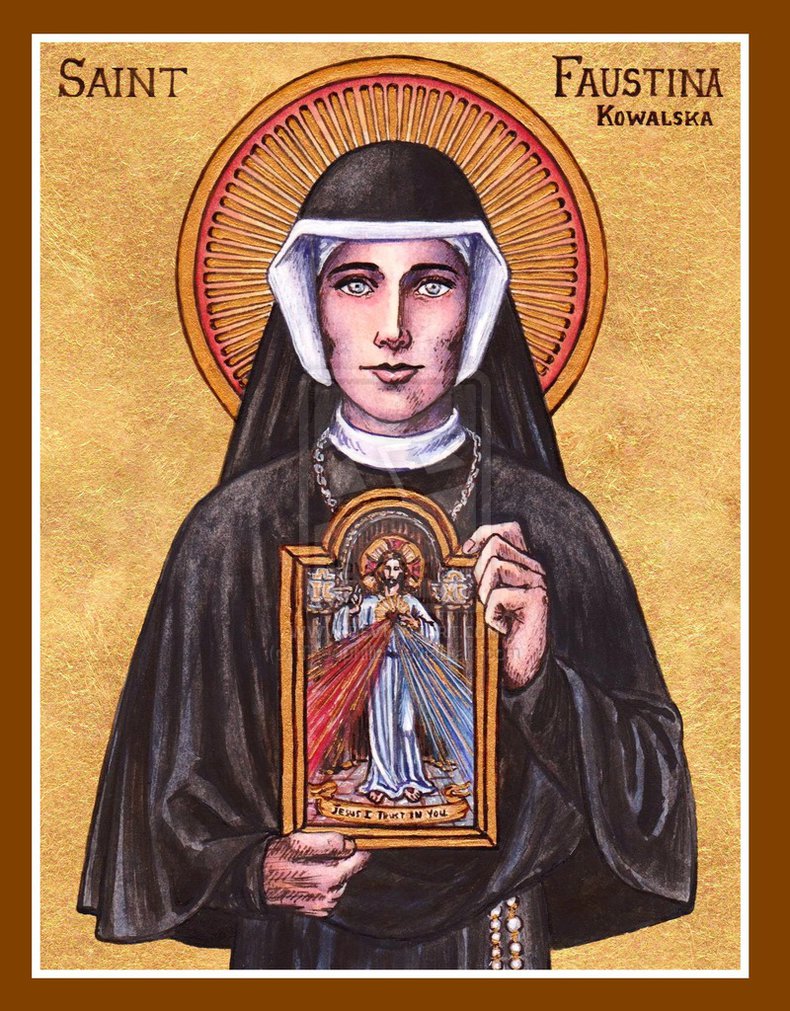
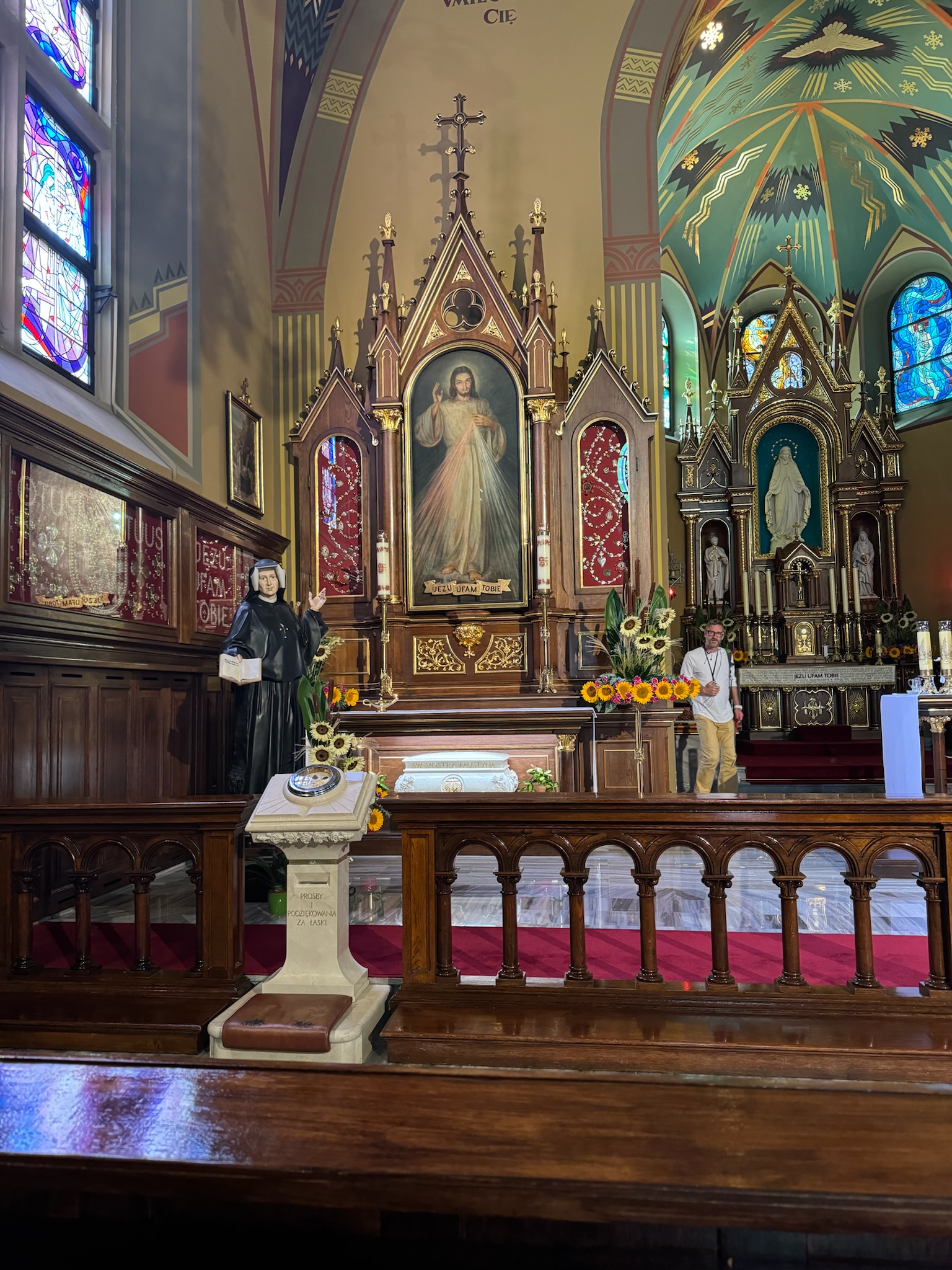
Universal devotion to Divine Mercy, with its simple and profound message – “Jesus, I trust in you” – is one of the most fitting prayers for today.
Google AI defines universal devotion as: a shared, often global, spiritual dedication or reverence toward the divine, transcending specific cultural or denominational boundaries. It emphasizes a heart-centered connection, spanning from personal faith to a worldwide, unified focus on spiritual principles like love, compassion, and surrender to God.
The origins of the Divine Mercy prayers, taken from the writings of Polish St. Faustina Kowalska and brought to worldwide importance by Polish Pope St. John Paul II when he established Divine Mercy Sunday, stand as a reminder of the power of prayer in the resistance of evil and despair.

Poland has a profound history of persevering through adversity, from its reestablishment as a sovereign nation after being wiped from the map for more than a century to its breaking the yoke of Soviet communism. And through it all, Poland has contributed greatly spiritually to the Church over the last century, especially through such saints as Faustina, Pope John Paul II and Maximillian Kolbe.
From the time of the Nazi occupation of Poland in 1939 to the German defeat and takeover of Poland by the Red Army, more than 5 million Poles were killed or starved to death. Millions were sent to serve as forced labor in Germany, and the Nazi regime ruthlessly persecuted the Catholic Church, which it saw as one of its greatest enemies. Dachau, Auschwitz and other Nazi concentration camps were places of imprisonment and death for thousands of Polish bishops, priests and men and women religious.
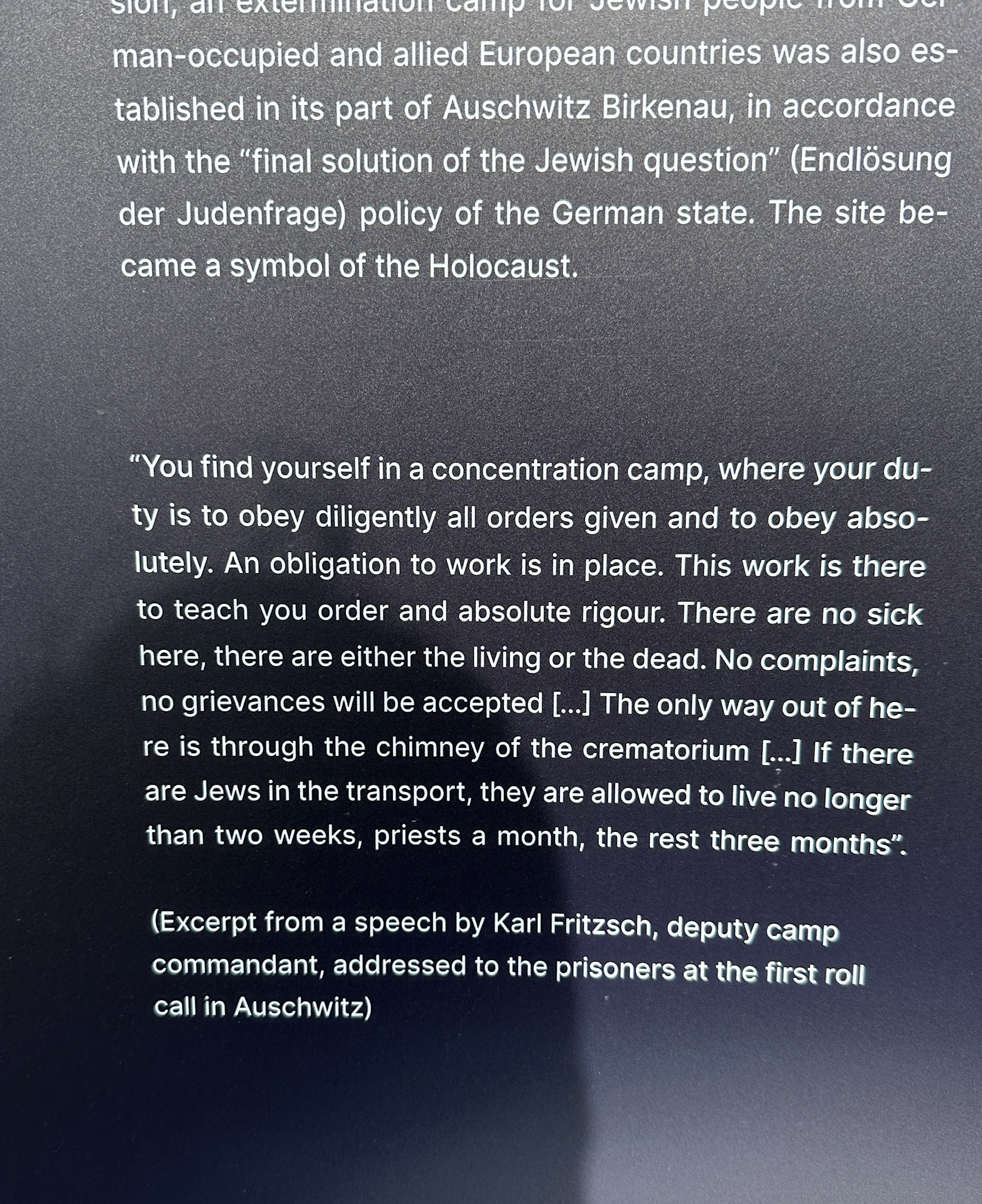
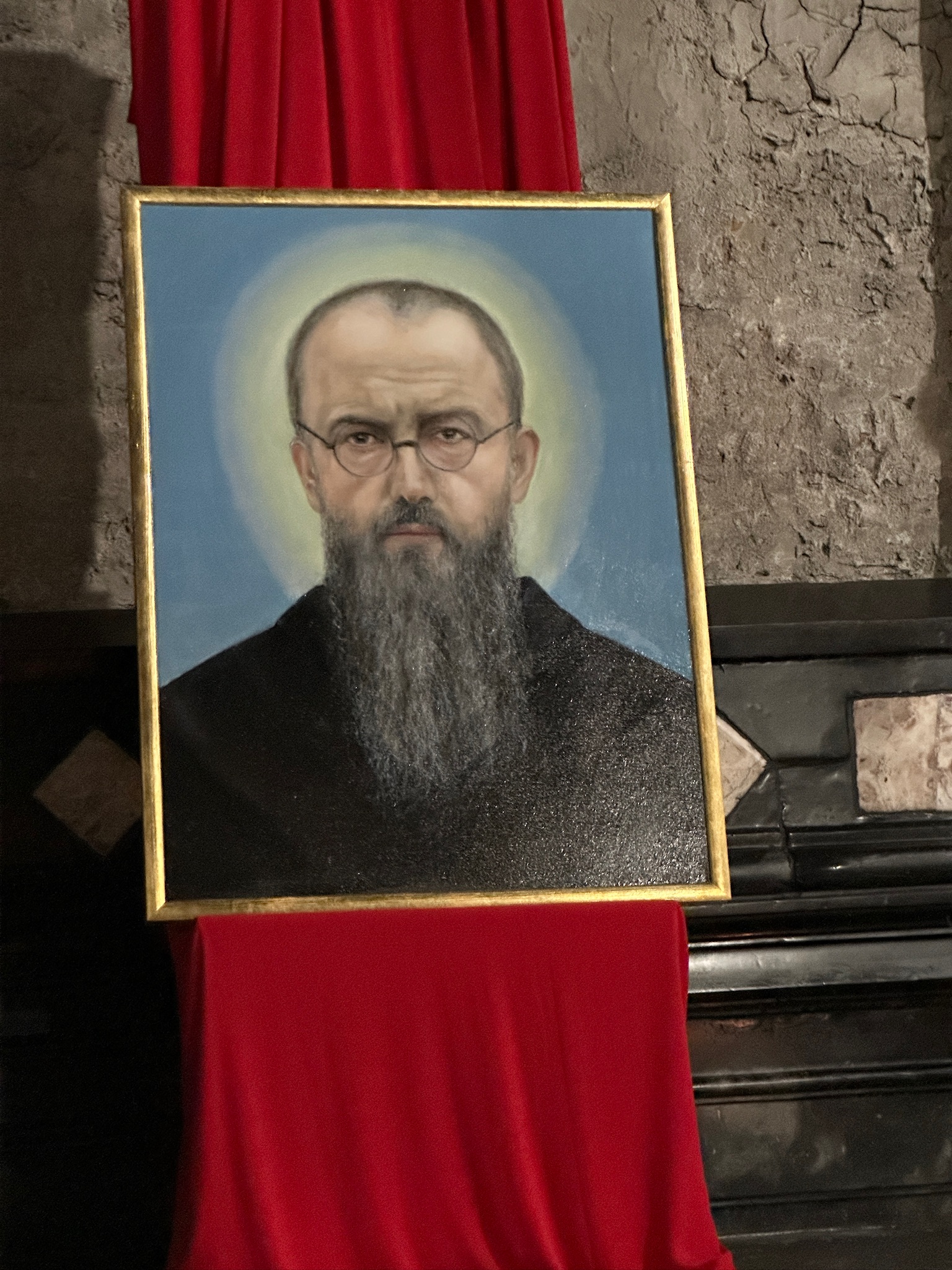
Among the Polish priests who died at Auschwitz was Conventual Franciscan Father Maximillian Kolbe, who volunteered for death in the place of a married man. He is honored as a martyr and a powerful role model in charity for the whole world, described by John Paul II at his canonization in 1982 as a witness to Christ, “the witness given in Christ to the dignity of man, to the sanctity of his life and to the saving power of death, in which is manifested the power of love.”
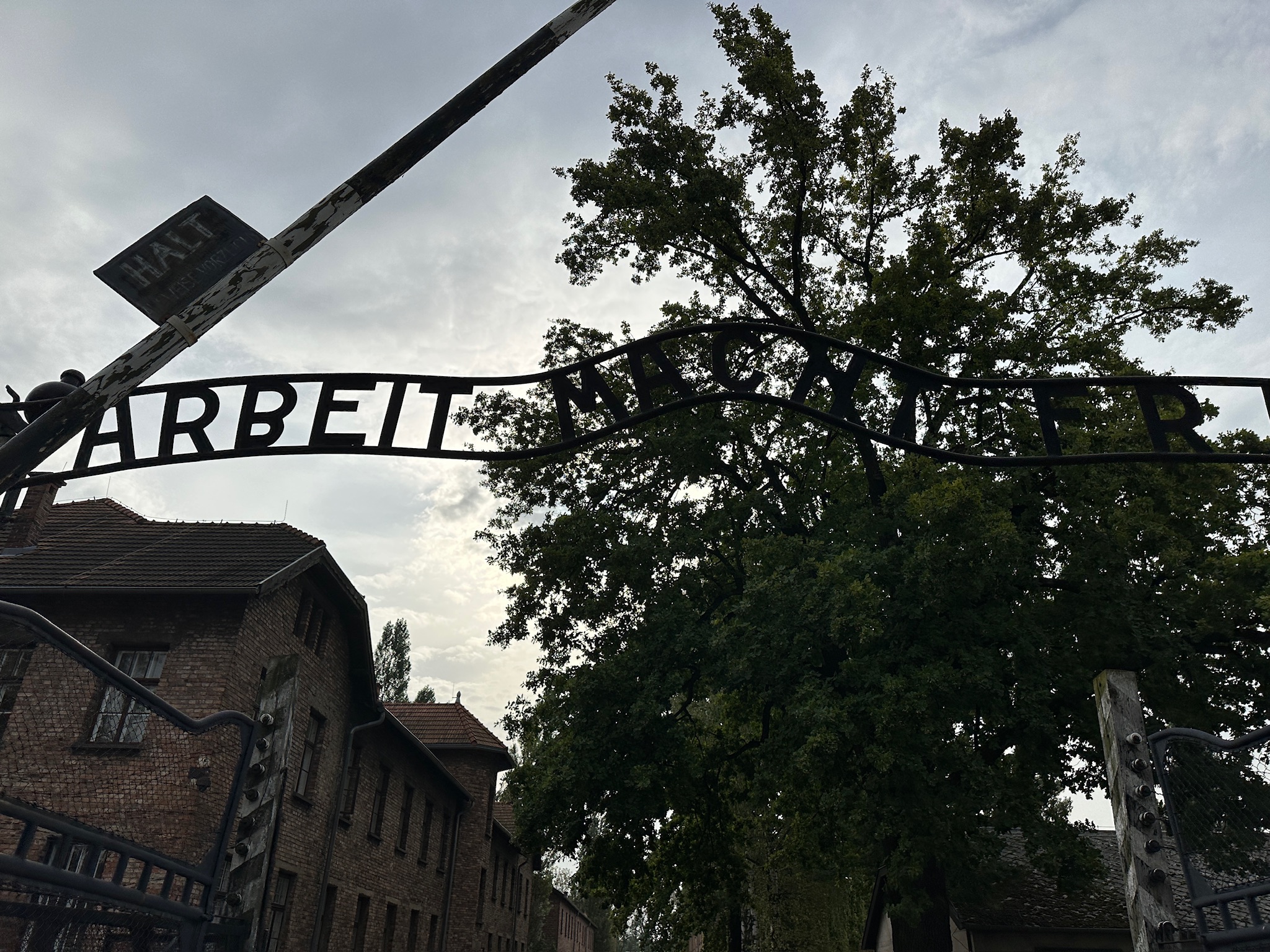
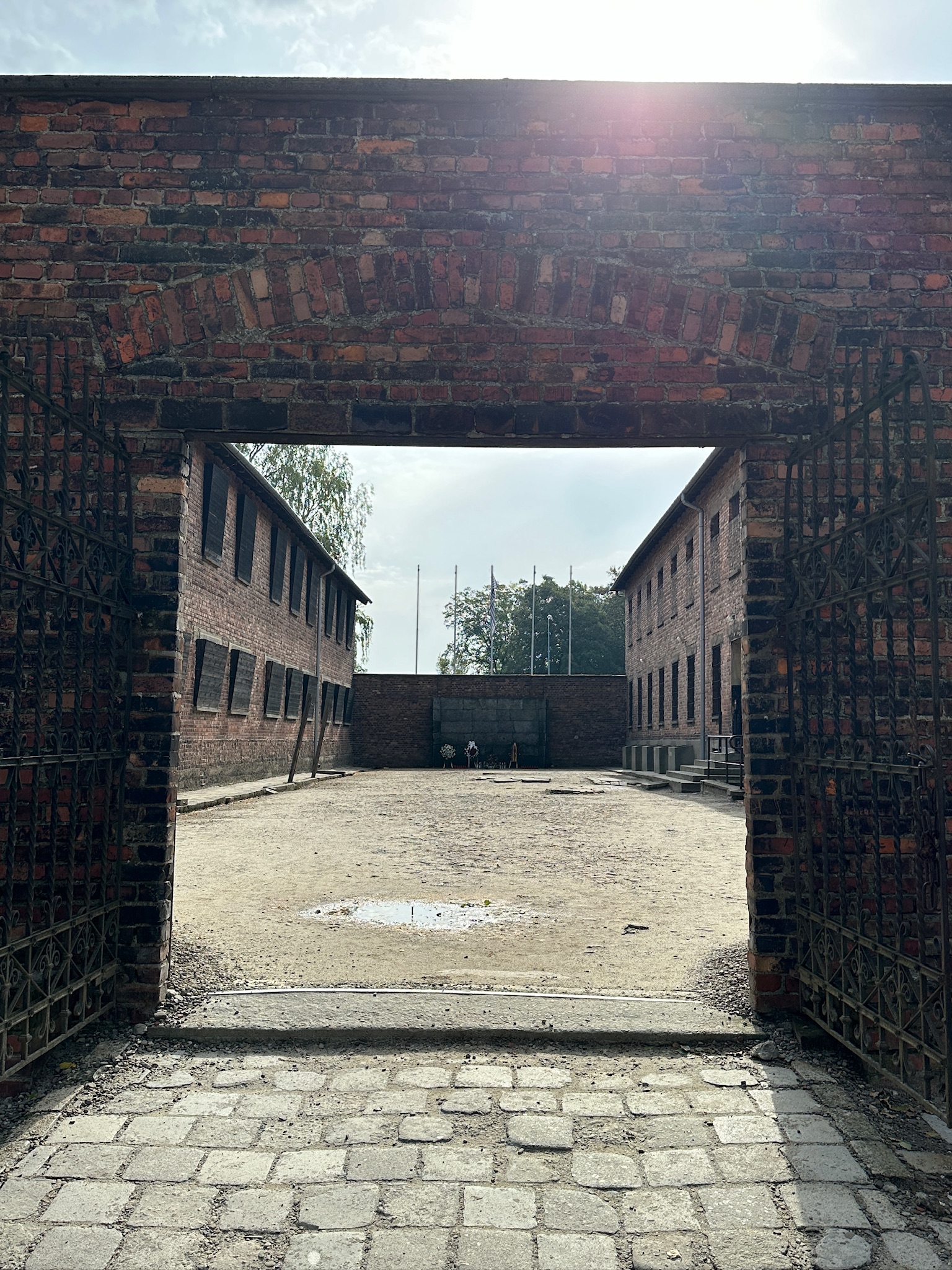
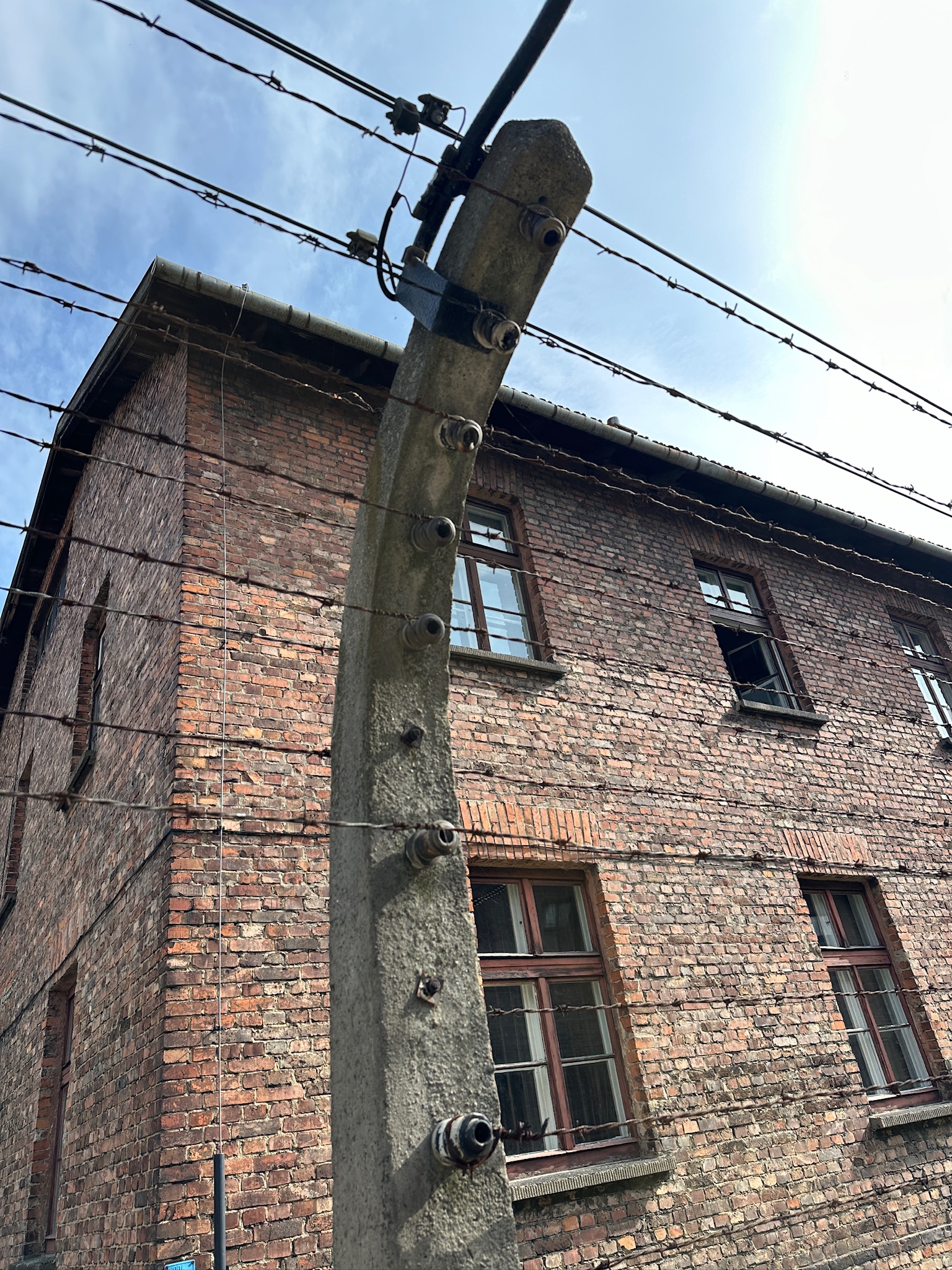
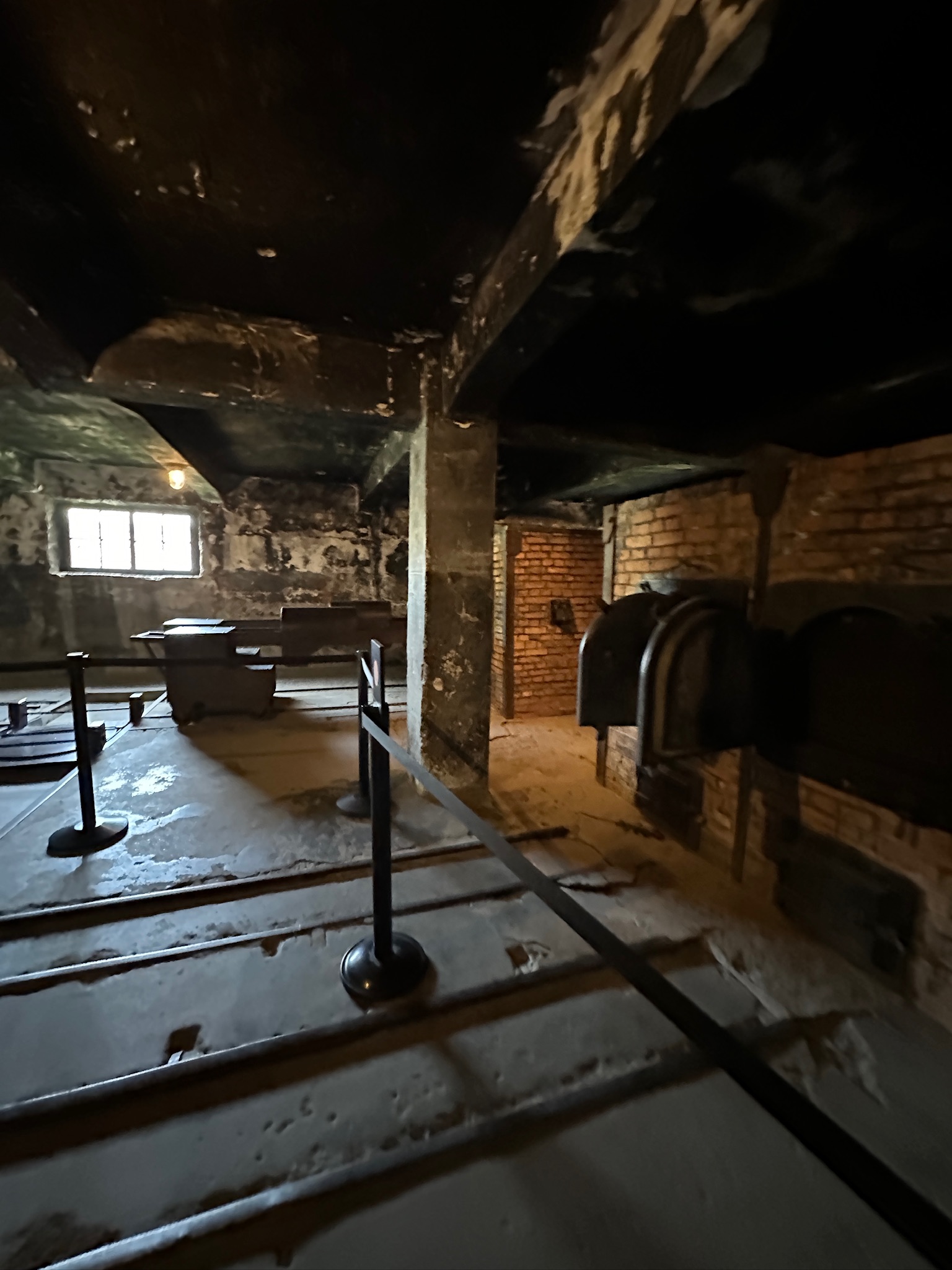
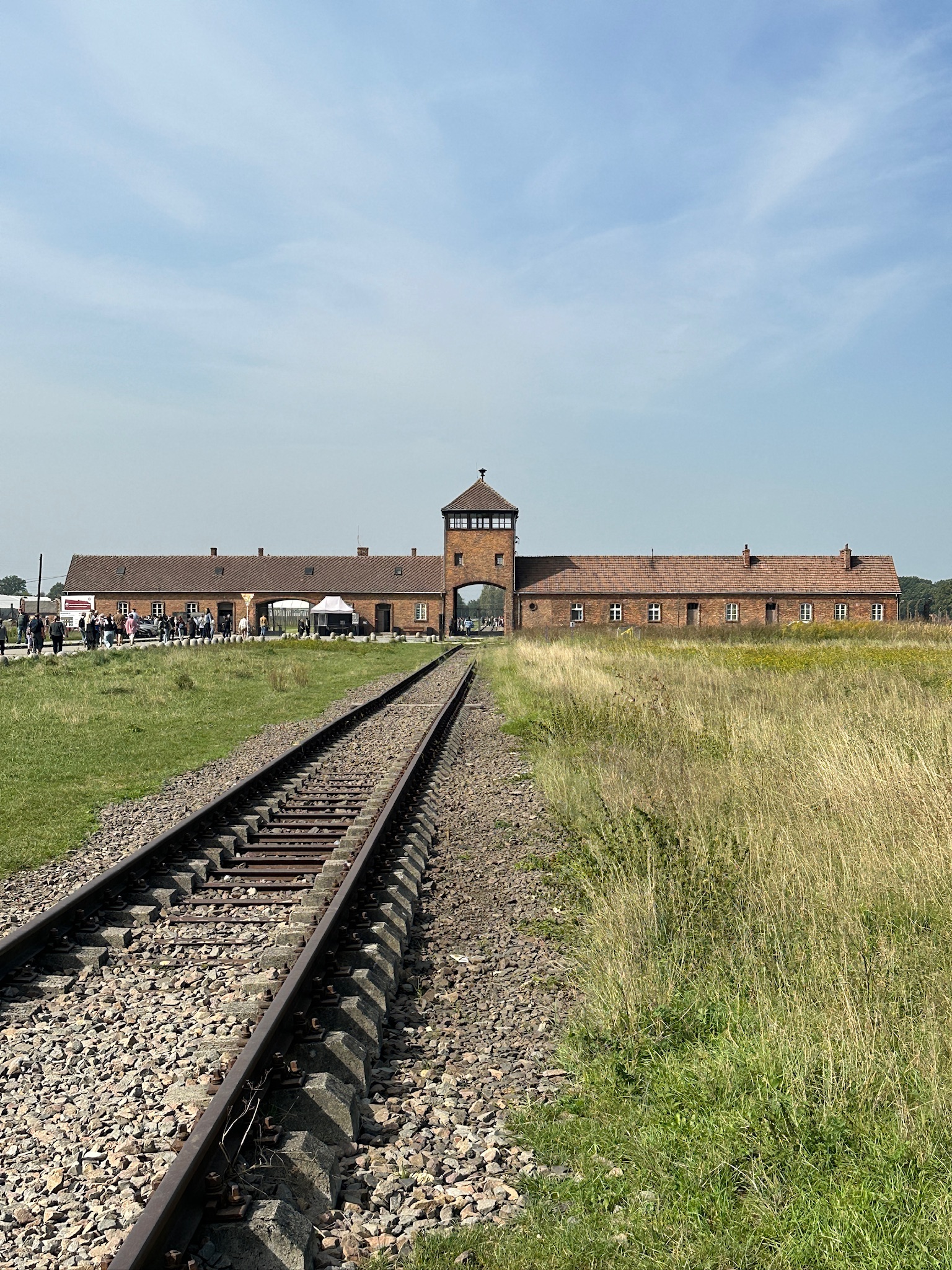
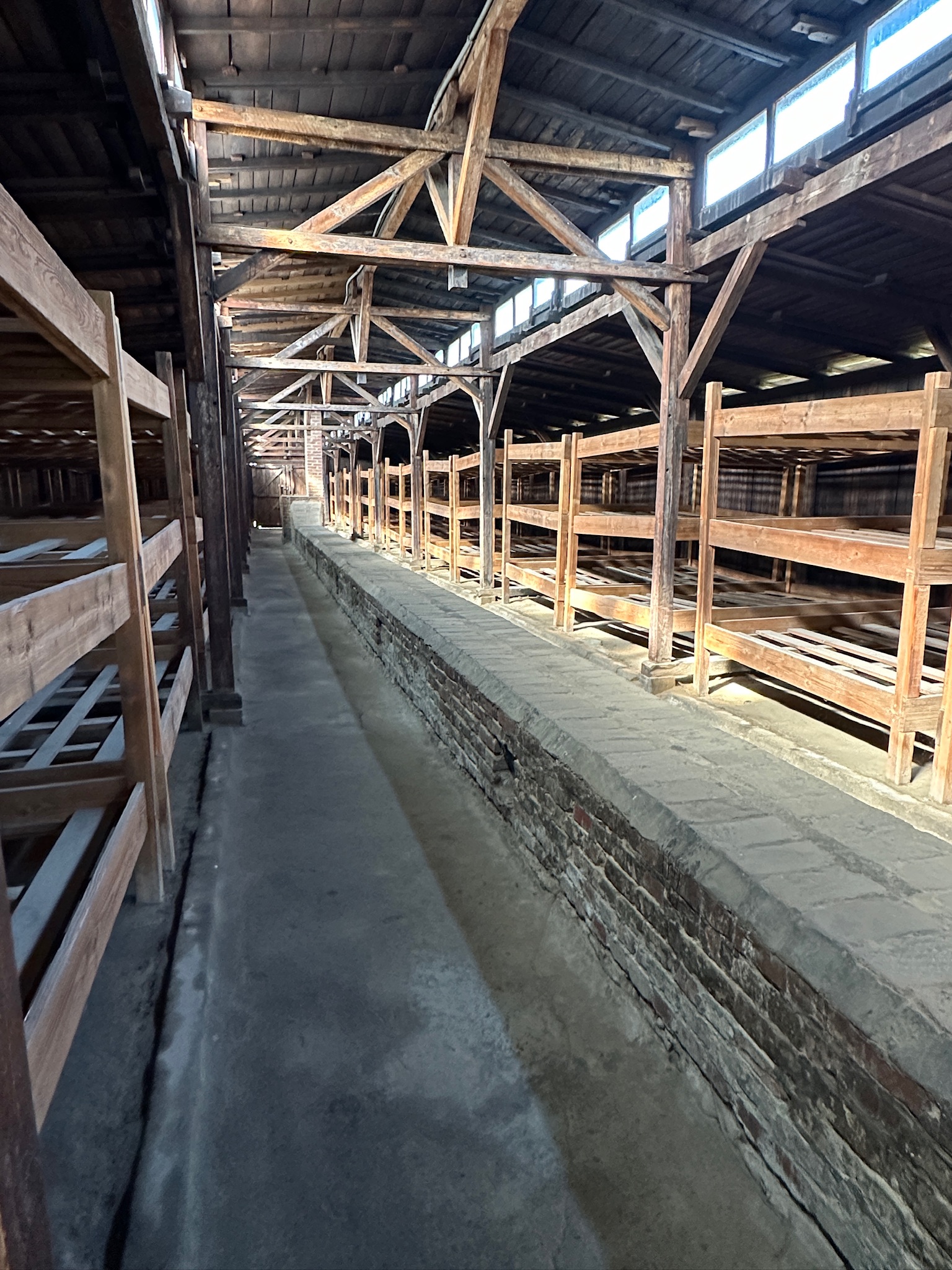
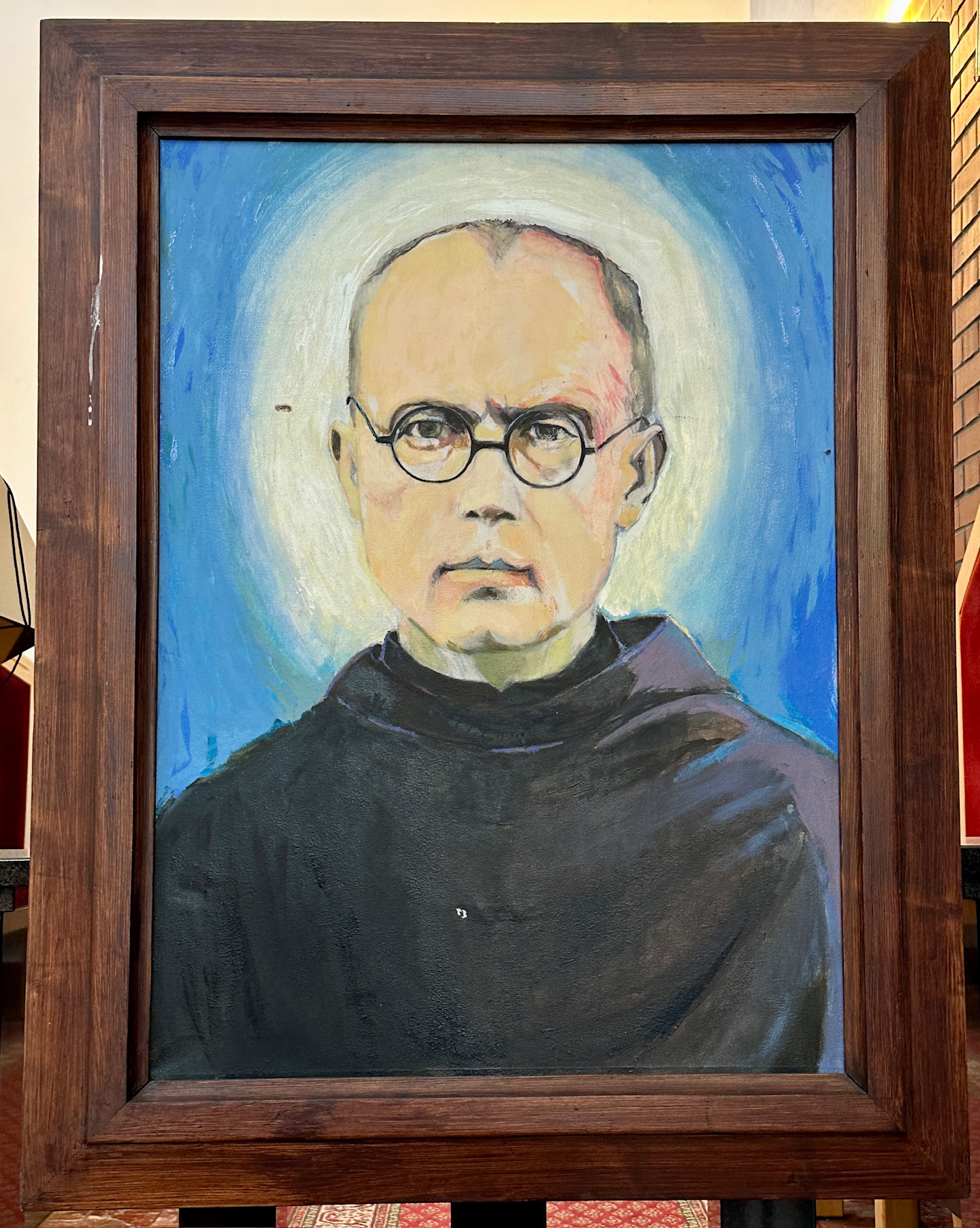
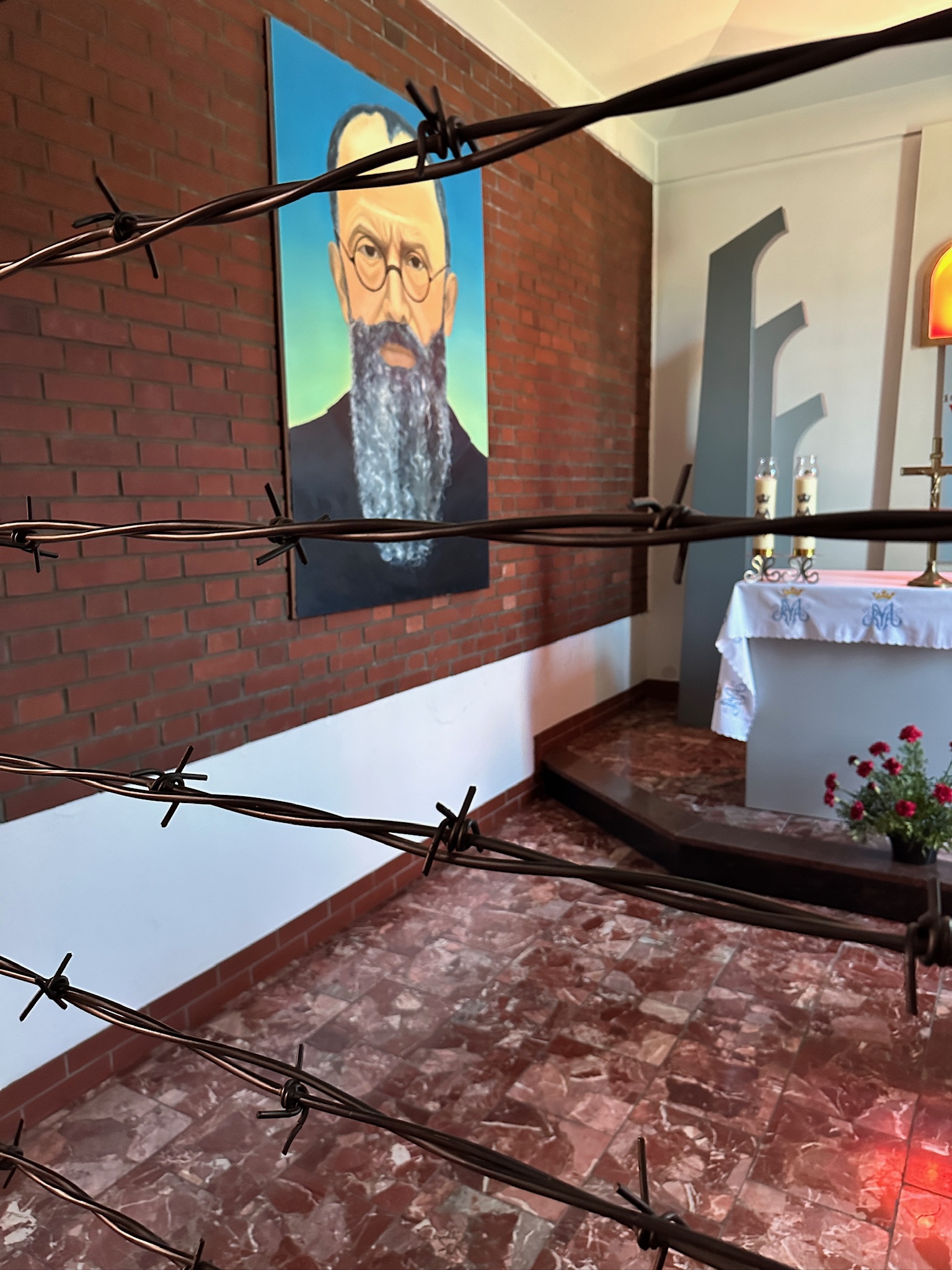
Photos taken at Auschwitz Birkenau; along with the current site of the Militia Immaculata, founded by Saint Maximillian Kolbe prior to his imprisonment.
Through it all, Polish Catholics stood firm in their love of the faith and that dedication made Poland a true spiritual powerhouse whose saints literally changed the world.
One of the most important lessons that Poland has taught is the need to turn always to Divine Mercy. St. Faustina, the Polish nun, became the recipient of the message of Divine Mercy. Her life was, as John Paul II said at her canonization, “completely linked with the history of the 20th century.”

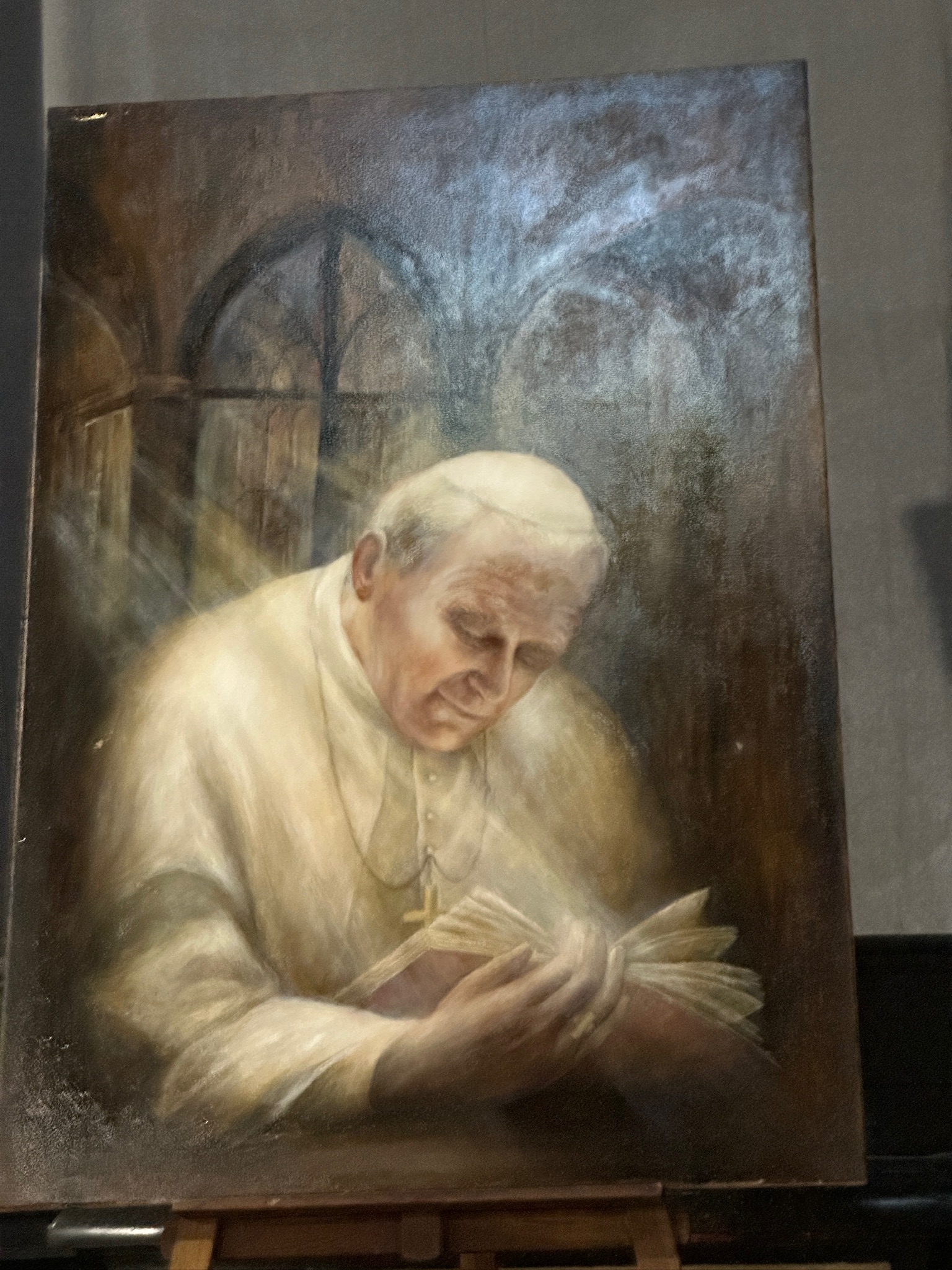
The work of this extraordinary saint found its greatest champion in the Polish Pope, himself a spiritual giant. He established the feast of Divine Mercy, canonized her, died in April 20005 on the vigil of Divine Mercy Sunday, and was beatified in 2011 and canonized in 2014 on Divine Mercy Sunday. In his canonization of St. Faustina, he taught that the message of Divine Mercy is love, “It is this love which must inspire humanity today,” he proclaimed, “if it is to face the crisis of the meaning of life, the challenges of the most diverse needs and, especially, the duty to defend the dignity of every human person. Thus the message of Divine Mercy is also implicitly a message about the value of every human being. Each person is precious in God’s eyes; Christ gave his life for each one.”
John Paul II declared in 2001, on the first anniversary of Faustina’s canonization, this message of Divine Mercy is for every age, including today!
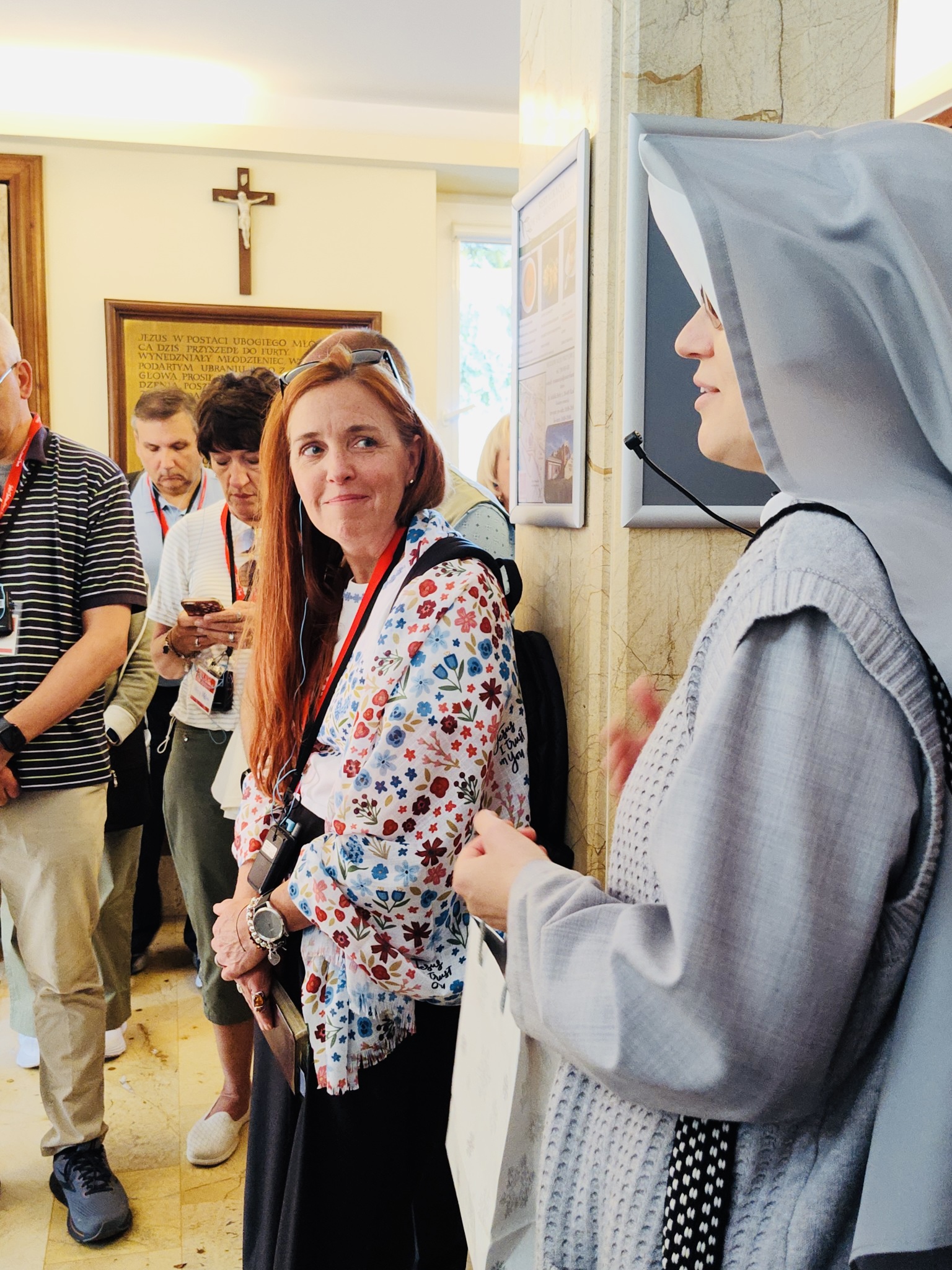
As we celebrate Divine Mercy Sunday, let us pray that the whole world heeds the words of Our Lord to St. Faustina: “Humanity will never find peace until it turns with trust to Divine Mercy” (St. Faustina’s Diary, p 132).
Let us embrace the wisdom of the saints!
hugs n’ blessings, as we receive this powerhouse of faith!
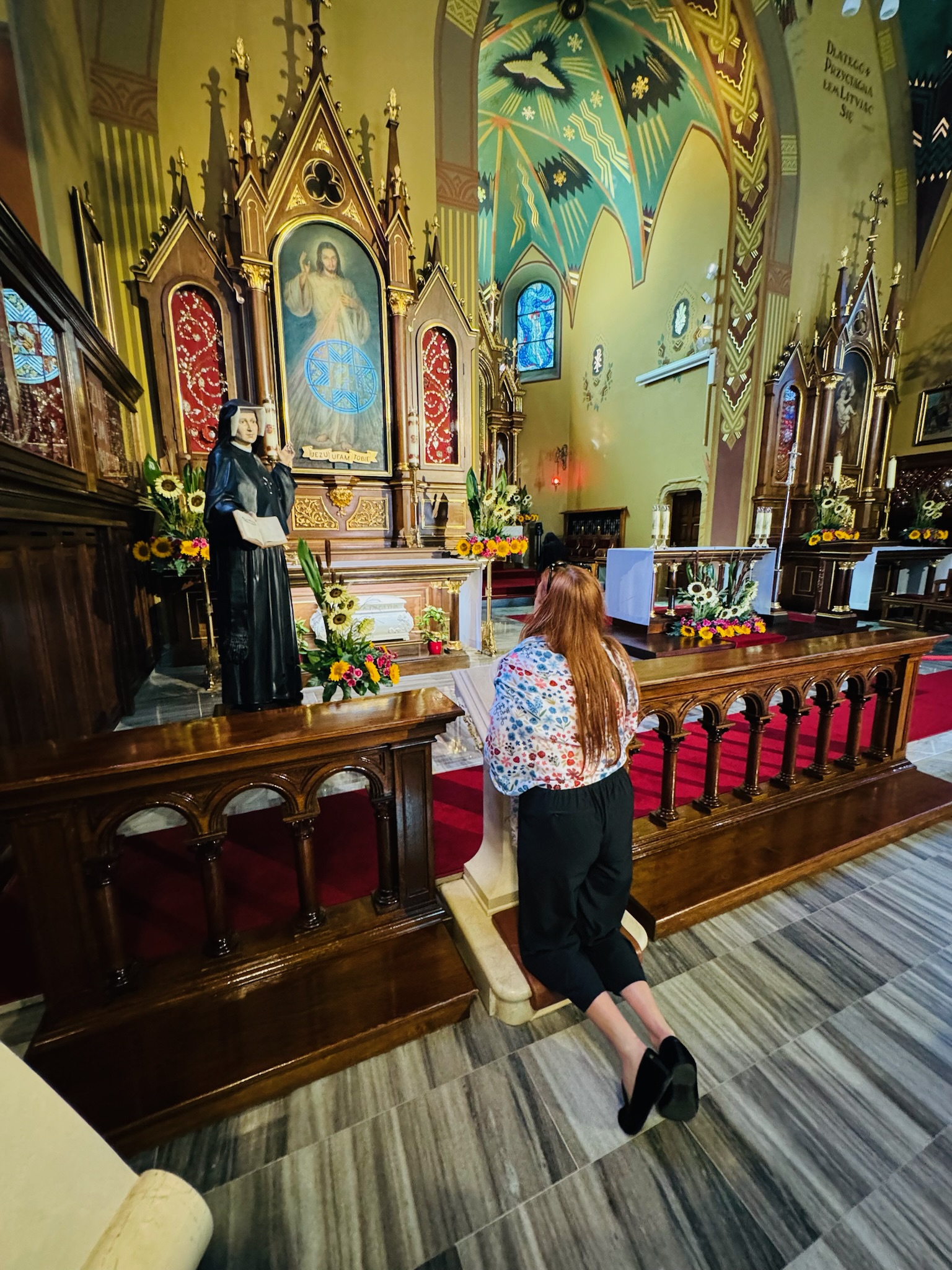
 hugsnblessings